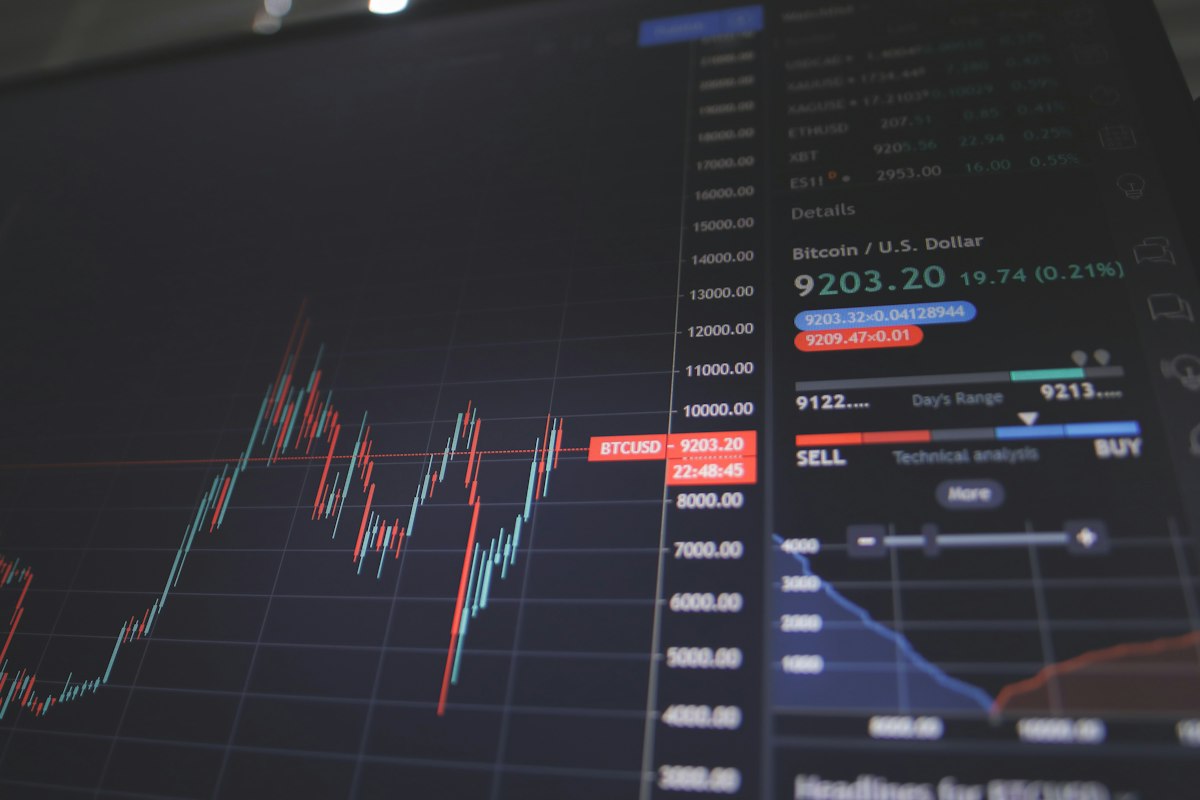
The Signal Group Trap
You've probably been in one. Maybe you're in one right now.
A Telegram group where someone posts "Buy EURUSD 1.0850, SL 1.0800, TP 1.0950" and you're supposed to open your MetaTrader and copy it immediately.
Sometimes the signal works. You make $20 or $50 and feel like you're finally getting somewhere. Sometimes it doesn't, and you lose money you didn't fully understand you were risking.
But here's the thing nobody in those groups talks about: after six months of following signals, you're not a better trader. You haven't learned anything. If the signal provider disappears tomorrow, you're exactly where you started — staring at charts with no idea what to do.
That's the trap. Signal groups don't teach you to fish. They make you dependent on their fish.
What a Signal Should Actually Tell You
A useful trading signal isn't just a direction, an entry, and an exit. It should tell you:
What pattern or setup was identified. Is it a bullish engulfing at support? A break of structure? A liquidity sweep? You should know exactly what the AI or analyst saw on the chart.
Where the key levels are. Support, resistance, Fibonacci levels, order blocks — whatever the analysis is based on. You should be able to look at the chart yourself and see these levels.
Why this direction and not the opposite. What's the trend context? What does the higher timeframe look like? Are there confluences or is it a single-factor setup?
The risk-reward ratio. Is it a 1:1 trade or a 1:3 trade? This matters because it determines whether the setup is worth taking at all.
What would invalidate the trade. If price does X instead of Y, the setup is no longer valid. Knowing this in advance prevents you from holding a losing trade hoping it'll come back.
How Gopipways Signals Work Differently
Gopipways AI generates trading signals — but every signal comes with the full breakdown of why.
When the AI identifies a potential setup on GBPUSD, you don't just get "Buy at 1.2650." You get a detailed analysis: the chart pattern it spotted, the support level it's sitting on, the RSI reading, the trend direction on the 4-hour and daily, the specific confluences that make this a high-probability setup, and the calculated risk-reward ratio.
You can look at the chart yourself, verify everything the AI said, and make your own decision about whether to take the trade. If you disagree with the analysis, you skip the trade. No pressure. No "hurry up before the market moves."
Over time, you start recognising these setups yourself. You see a bullish engulfing at support and think, "I know what this means because I've seen the AI explain it 50 times." That's the transition from signal-dependent to self-sufficient.
The Goal: Trade on Your Own
The entire purpose of Gopipways signals is to make you stop needing signals.
Every explained signal is a mini-lesson in technical analysis. After following them for a few months, you should be able to look at a chart and identify setups yourself. The AI analysis and the live webinars accelerate this process — they give you the feedback loop that turns "I sort of see a pattern" into "I know exactly what's happening on this chart."
That's the difference between a platform that wants your subscription forever and a platform that actually wants you to become a competent trader.
👉 See AI Signals with Full Analysis →
The best signal is one that teaches you something. The worst signal is one that just tells you what to do.